Research
The changing nature of ecological change
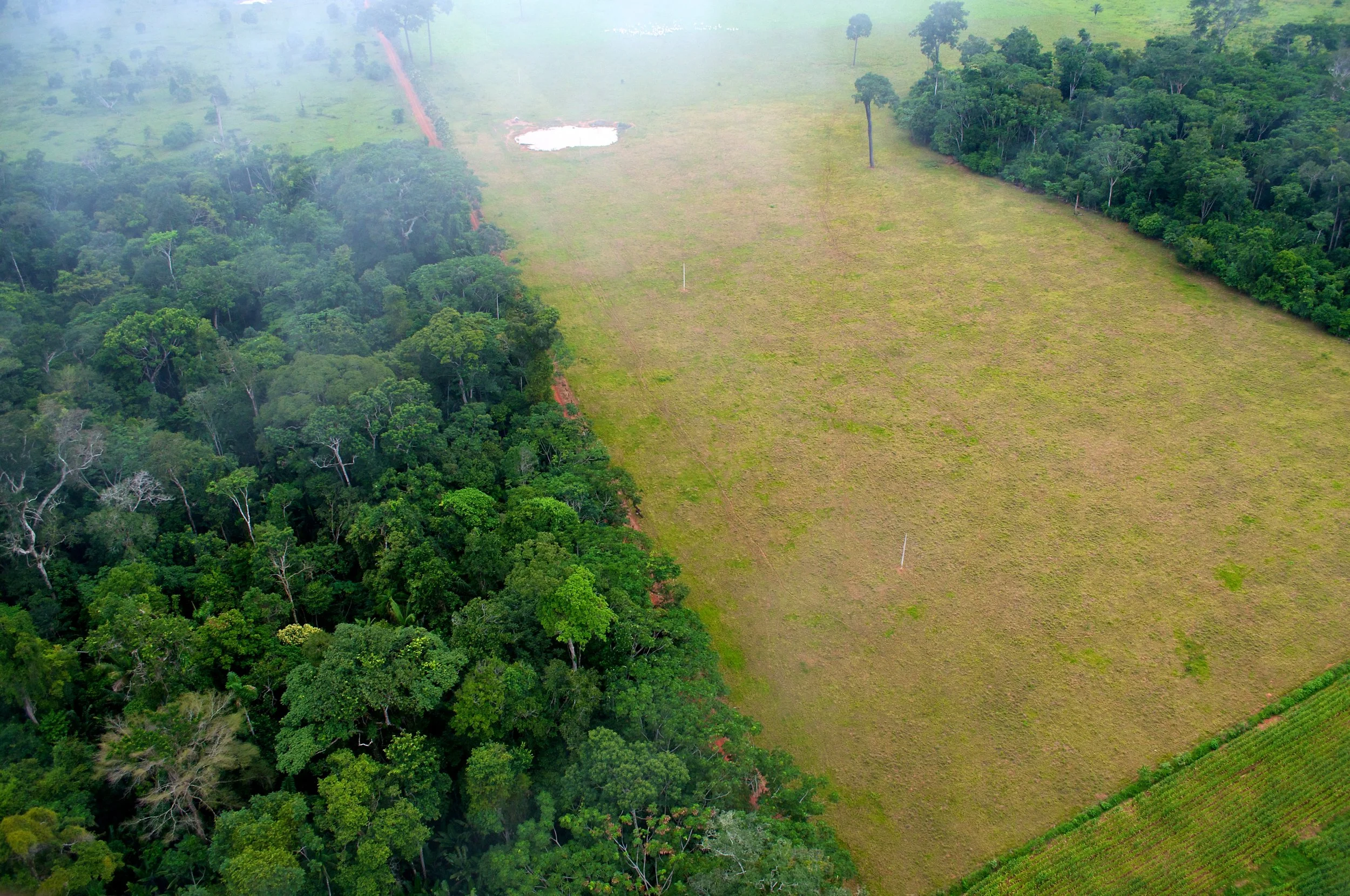
Photo: Kate Evans/CIFOR
Global connectivity is changing both the magnitude of human impacts on nature and where those impacts occur. International trade increasingly decouples consumption from production in space, allowing demand in one region to drive ecological change elsewhere. It also means that environmental policies in one place may inadvertently shift pressures elsewhere as production is redistributed along global supply chains. My research examines how globally connected systems are changing where and how ecological change occurs.
Selected research
Wiebe, R. A. & Wilcove, D. S. (2025). Global biodiversity loss from outsourced deforestation. Nature.
Wiebe, R. A., Wilcove, D. S., & Tarnita, C. E. (2025). Trajectories of biodiversity loss and extinction from trade globalization. Current Biology.
Ecological dynamics of loss and recovery
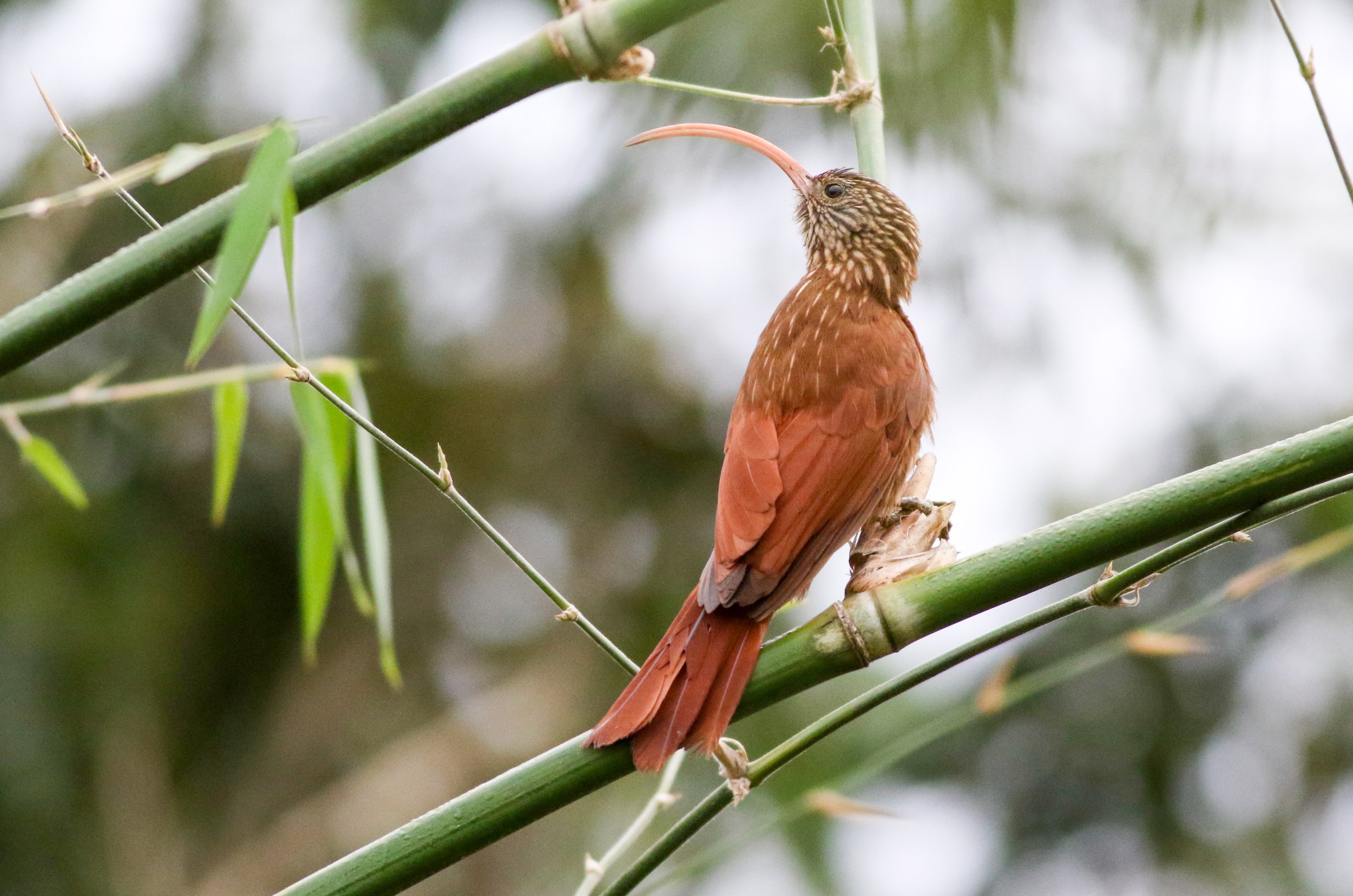
Ecosystems continue to change long after the events that set those changes in motion: Species disappear long after habitat loss, communities reorganize under this attrition of species, and regenerating ecosystems develop along history-dependent trajectories. These dynamics are key components of both our understanding of ecology and our ability to make decisions about conservation and restoration. My work on this topic combines mathematical models, extinction time series, and intensive field studies of birds in tropical deforestation frontiers to understand the processes governing biodiversity changes through time from local to global scales.
Selected research
Wiebe, R. A., Wilcove, D. S., & Tarnita, C. E. (2025). Trajectories of biodiversity loss and extinction from trade globalization. Current Biology.
Crawford, C. L., Wiebe, R. A. et al. (2024). Biodiversity consequences of cropland abandonment. Nature Sustainability.
Wiebe, R. A. et al. Rapid erosion of isolated bird communities in the world’s largest deforestation frontier. Manuscript.
Reconciling the use and conservation of nature
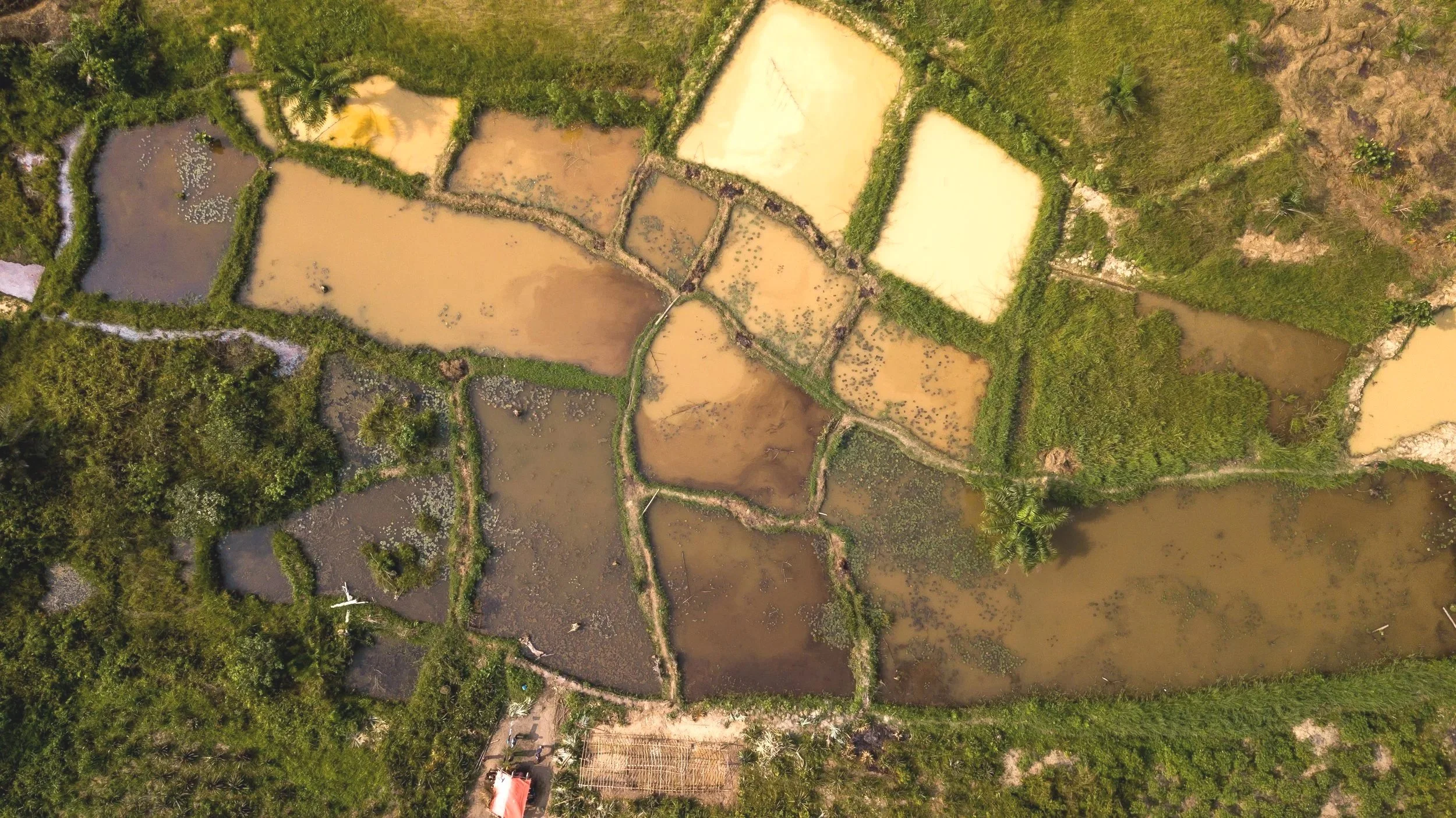
Photo: Fiston Wasanga/CIFOR
Efficient use of nature for food and timber production, freshwater provisioning, and other human needs is critical to improving human welfare, but its ecological consequences depend strongly on where and how those resources are produced and used. I am interested in understanding when greater production and biodiversity conservation can be complementary rather than competing goals, including how the location and efficiency of production and its redistribution through trade shape environmental outcomes. My current research examines how the global expansion of aquaculture is affecting biodiversity and nature’s contributions to people.
Selected research
Betts, M. G. et al. (2025). Benefits of onshoring forestry rely on science. Science.
Wiebe, R. A. & Wilcove, D. S. (2025). Global biodiversity loss from outsourced deforestation. Nature.